
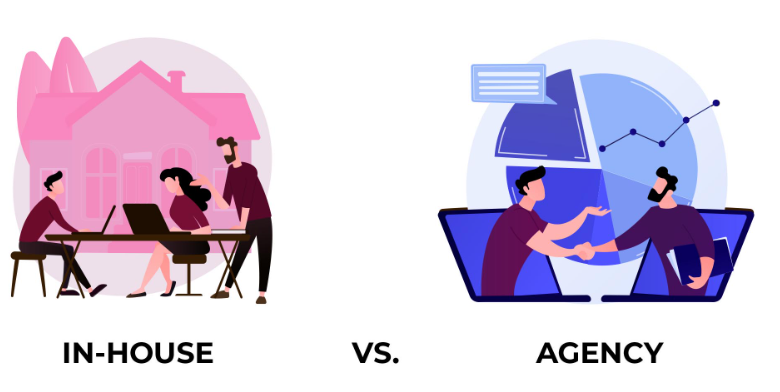
We will be real: there’s no one-size-fits-all answer here . An In-House Marketing Team vs Digital Marketing Agency team isn’t automatically better, and an agency isn’t some magic fix either. It comes down to your business. Where you are right now. What you can spend. How much time you actually have to manage people. And, most importantly, what you need help with. Pick the setup that makes sense for your situation—not the one everyone on LinkedIn says you should choose.
Benefits of an In-House Marketing Team vs a Digital Marketing Agency
In-House Marketing Team vs Digital Marketing Agency: The Real Advantages
Deep Brand Alignment in an In-House Marketing Team: Your in-house team is in the thick of it every day. They understand the product inside and out, while regularly hearing customer complaints and feedback. By participating in internal meetings, they also gain valuable insights into business operations and see what’s actually happening behind the scenes. That stuff matters. That context shows up in their work.
Because when the people writing your campaigns genuinely understand the product—and the problems it solves—the marketing feels real. They’re not guessing what customers care about. They already know about.
And that usually makes for better, more believable work.
Direct Control and Faster Decision-Making: Walk over to your teammate. Send them a message. Get it fixed.Without an account manager, communication becomes more direct and efficient. You can avoid unnecessary back-and-forth and get decisions or updates without waiting several days for someone to respond.
When you’re running a last-minute promo or testing something quickly, that speed matters a lot. Sometimes the biggest advantage of having your team in-house is simply being able to say, “Hey, can we change this?” and actually have it changed.
Institutional Knowledge That Compounds
Your team know which campaigns crushed it, which ones bombed, and—most importantly—why. That kind of memory generally saves you from making the same expensive mistakes twice. The historical context prevents you from repeating expensive mistake.
Agencies can lose that context when people move around. New account manager, new strategist, new team member—and suddenly, someone’s asking questions you already answered six months ago. Even a great agency can lose the little details when the people change. And those little details can make a big difference.
Data Security and Better Sales Alignment:
There’s also a privacy advantage. Customer data, sales numbers, product plans—all of that stays inside your company instead of being passed around to an outside team. And when the both marketing and sales work side by side, things move faster and faster. Sales reps can tell marketers what buyers actually respond to, what gets it ignored by them, and which leads are worth chasing.
Lead quality improves because marketers hear directly from reps about what converts. You stop guessing what might convert and start building campaigns around what’s actually bringing in good customers.
Dedicated Focus on Your Brand:
Your in-house marketers have one job: your brand.
They’re not bouncing between five different clients or disappearing when another account suddenly becomes “urgent.” When things get crazy, they’re already there and focused on you.
But there’s a downside.
You’re paying those salaries every month, whether things are busy or painfully slow. Growing the team takes time and money, too. And there’s one more thing people don’t talk about enough: When you stare at the same brand every day, it is easy to miss what else is doing by everyone. That’s the price of having the team close. You get focus and deep knowledge, but you have to work a little harder to bring in fresh ideas.
How Do Top Indian Companies Choose Between an In-House Marketing Team vs a Digital Marketing Agency?
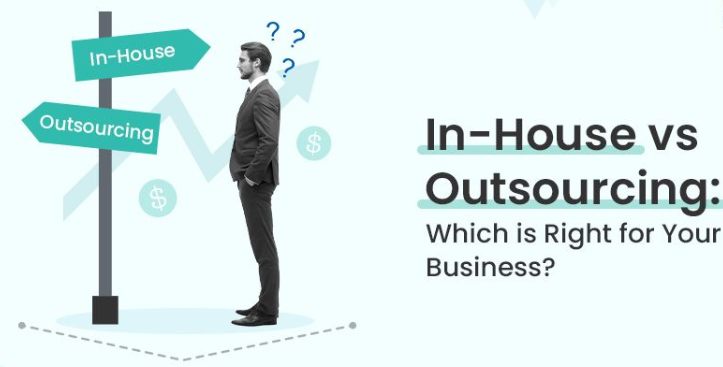
Indian companies are not just looking at a side and hoping for the best. They’re looking at the numbers, figuring out what they actually need, and choosing the setup that fits.
No guesswork is being preferred. No “everyone else is doing it, so we should too.” Just picking what makes sense for the business.
Speed vs. depth: Maybe you need technical SEO, AI search optimization, or a serious paid media push across multiple channels. Finding and hiring the right people in India can take months. A good agency can get moving much faster.
But if you have got a big, ongoing operation where the team needs to know your product inside out, keep it in-house.
Simple rule: need speed and specialist skills? Go outside. Need deep product knowledge for the long haul? Build your own team.
What stays close, what goes out: Keep the big stuff close to home: your strategy, your positioning, and the message you want the market to hear. Your team should own that. Then outsource the heavy lifting when it makes sense. Programmatic ads, advanced analytics, large-scale content production—you don’t need to build ample of members in the team just to handle every specialist job.
Management capacity matters: Here’s the thing: a team will not run itself.
If you don’t have a strong marketing leader who can hire the right people, get them up to speed, and keep everyone moving in the same direction. In-House Marketing Team vs Digital Marketing Agency, an in-house team can become a very expensive mess.
You’ll pay good money and still wonder why the work feels average. An agency has that structure built in. There are people managing the team, keeping projects on track, and making sure someone’s actually accountable when things slip. Agencies come with built-in management and accountability structures.
Skill gaps first: I will be honest, you’re not going to find one person who’s brilliant at SEO, PPC, content, CRO, automation, and AI search. That unicorn probably doesn’t exist. If you need several different skills right now, an agency can cover the gaps without forcing you to make five separate hires.
Less hiring. Less waiting. More people doing the work you actually need.
Industry context: For a lot of Indian startups and growing companies, agencies make sense early on. You get the skills you need without building a huge team from day one. Then the business grows along with revenue picks up and marketing becomes a bigger part of the game. That’s when it often makes sense to start bringing key roles in-house.
Big, established companies usually play a different role. If you’re running marketing at high volume every day, having a solid internal team can be worth it.
Basically: start lean, bring things in-house when the business gives you a reason to.
In-House SEO Team vs Digital Marketing Agency: Tools and Strategies
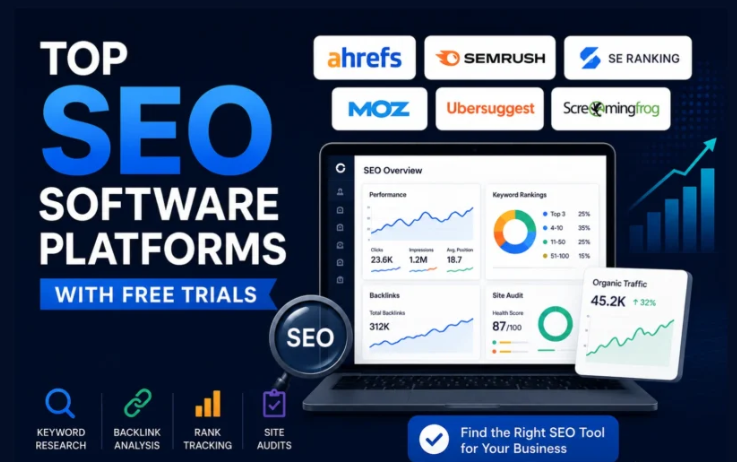
If you’re doing SEO in-house, your tools matter. A lot.
The right stack can save many hours in every week of your team. The wrong one just burns money and gives you another dashboard nobody checks.
Here’s what’s worth looking at in 2026:
Ahrefs:In-House SEO Team vs Digital Marketing Agency: Tools and Strategies
Still one of the best for backlinks, keyword research, and spying on what competitors are doing. The interface is easy to get around, the data is solid, and it’s especially useful when you’re hunting for content gaps or tracking rankings across different markets.
SEMrush: In-House SEO Team vs Digital Marketing Agency: Tools and Strategies
The Swiss Army knife of SEO tools. Keyword tracking, site audits, content tools, plus some paid and social features. If you’d rather have one big platform than stitch together five different subscriptions, this is the obvious contender.
Surfer SEO: In-House SEO Team vs Digital Marketing Agency: Tools and Strategies
Built for content teams. It looks at what’s already ranking and gives you a pretty clear idea of what your article needs to cover. Handy for building briefs, guiding writers, and making sure your content isn’t missing the obvious stuff.
Screaming Frog; In-House SEO Team vs Digital Marketing Agency: Tools and Strategies
If technical SEO is your thing, get familiar with this one. Crawl your site and you’ll find broken links, redirect problems, missing metadata, duplicate pages, and plenty of other mess hiding under the hood.
It takes some time to learn. But once you know what you’re looking at, it’s ridiculously useful.
Google Search Console + Looker Studio: In-House SEO Team vs Digital Marketing Agency: Tools and Strategies
Free. Powerful. And weirdly underused.
Search Console gives you the raw data—impressions, clicks, queries, rankings. Looker Studio lets you turn that into dashboards your team can actually use.
No need to pay for another tool just to see how your site is performing.
Frase or Market Muse: In-House SEO Team vs Digital Marketing Agency: Tools and Strategies
Worth considering if you’re producing a lot of content. They can help with content planning, briefs, topic clusters, and making sure your articles match what people are actually searching for.
And don’t ignore AI search: In-House SEO Team vs Digital Marketing Agency: Tools and Strategies
SEO isn’t just about getting into the traditional results anymore. You also want to know whether your brand is showing up in AI-generated answers and search summaries.
That means your rank tracker needs to go beyond “you’re #7 for this keyword.” You want to know whether AI search is mentioning you at all.
For most in-house teams, the sweet spot is pretty simple: pick one core platform—usually Ahrefs or SEMrush—then add specialist tools for content and technical SEO where you actually need them.
And watch the budget. Enterprise plans can easily run into several thousand dollars a year.
Don’t buy every shiny SEO tool that comes along. Build a stack your team will actually use.
What Are the Hidden Costs of an In-House Marketing Team vs a Digital Marketing Agency?

Let’s Talk About the Money
This is where things get interesting or complicated. The price you see on the proposal or salary sheet isn’t the real cost. In-House Marketing Team vs Digital Marketing Agency, Both agencies and in-house teams come with expenses that have a sneaky way of piling up.
Agency costs people forget
In-house costs people forget
The point is simple: don’t compare an agency retainer with a salary and call it a day.
Look at the full cost of getting the work done. That’s where the real comparison starts.
Conclusion
If you’re a small or mid-sized business spending less than ₹50 lakh a year on digital marketing, an agency will usually stretch your money further.
Once you’re spending more and need people working on marketing every day, across several channels, the maths starts to change. An in-house team can become just as cost-effective—and you get people who know your business inside out.
But honestly, you don’t have to pick one forever.
Start with an agency. Get the specialist skills you need, move quickly, and figure out what actually works.
Then, as the business grows, bring the important stuff in-house. Keep strategy and your brand close to the team. Outsource specialist work when it’s faster, cheaper, or simply smarter.
Don’t lock yourself into one model. Build the setup around what your business needs right now.